
Small businesses are not too small to hack. That is exactly what cybercriminals are counting on.
While large corporations dominate the headlines after a data breach, the quiet, devastating reality is that small businesses absorb the majority of cyberattacks worldwide. Most owners assume their operation is too modest, too unremarkable, or simply too small to attract serious attention from hackers. That assumption is one of the most dangerous mistakes a business owner can make today.
Understanding cybersecurity threats for small businesses is no longer optional. It is a fundamental part of keeping the lights on.
Why Small Businesses Are Prime Targets
The logic is straightforward from an attacker’s perspective. Large enterprises invest millions in security infrastructure, dedicated IT teams, and advanced threat detection. Small businesses typically have none of that. They hold valuable customer data, financial records, and payment information, but they protect it with the digital equivalent of a screen door.
Cybercriminals operate efficiently. They run automated scanning tools that probe thousands of businesses simultaneously, looking for unpatched software, weak passwords, or misconfigured systems. When they find a vulnerability, they exploit it. The size of your revenue does not matter. The size of your security gap does.
According to multiple industry reports, more than 40 percent of cyberattacks target small businesses, and a significant portion of those businesses never fully recover from the financial and reputational damage.
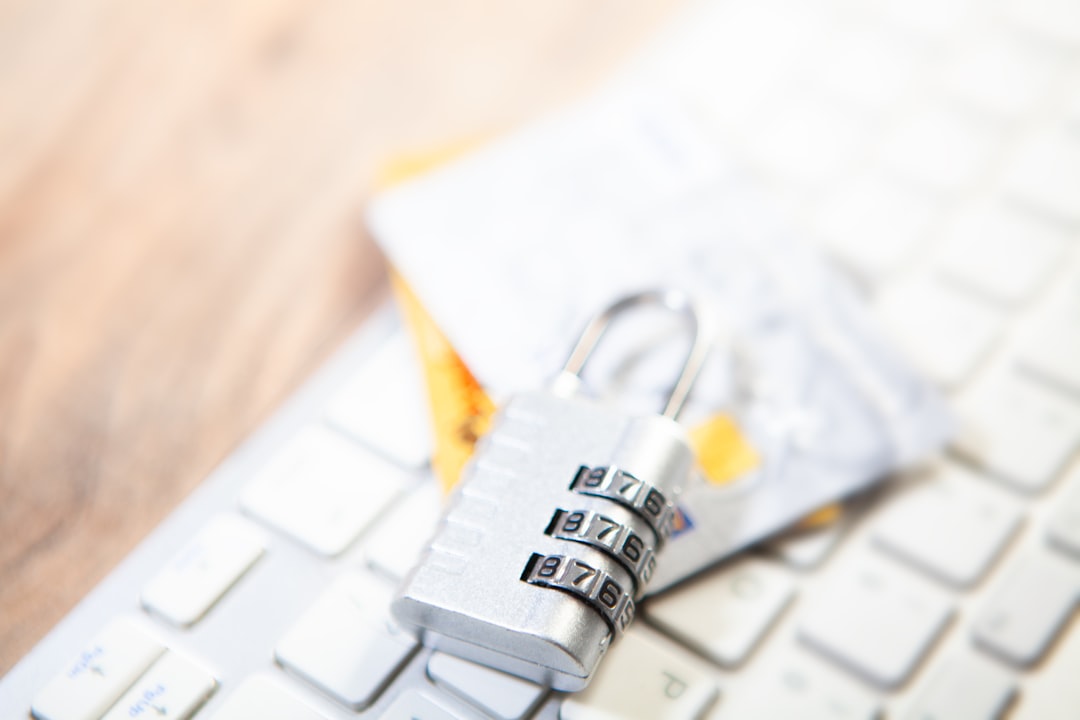
The Most Common Attack Methods Right Now
Knowing your enemy is the first step toward defending against it. The cybersecurity threats for small businesses come in several distinct but often overlapping forms.
Phishing remains the top entry point for attackers. These are deceptive emails, text messages, or even phone calls designed to trick employees into handing over login credentials, clicking malicious links, or transferring money. Phishing messages have become frighteningly convincing, often mimicking your bank, a software vendor, or even a colleague.
Ransomware has become a billion-dollar criminal industry. Attackers encrypt your business files and demand payment, often in cryptocurrency, to restore access. Small businesses are frequent targets because they are less likely to have proper backups and more likely to pay quickly just to get operations running again.
Business Email Compromise (BEC) involves attackers impersonating executives or vendors to authorize fraudulent wire transfers. This is a socially engineered attack that bypasses most technical defenses entirely because it exploits human trust rather than software vulnerabilities.
Credential stuffing uses stolen username and password combinations from previous data breaches to break into business accounts. If your employees reuse passwords across platforms, this threat becomes an immediate concern.
Insider threats, both malicious and accidental, round out the picture. A disgruntled employee or simply a well-meaning staff member who clicks the wrong link can cause catastrophic damage.
The Real Cost of a Cyberattack
Beyond the immediate disruption, the financial fallout from cybersecurity threats for small businesses is staggering. Direct costs include recovery services, legal fees, regulatory fines, and potential ransom payments. Indirect costs include lost customers, damaged reputation, and the operational downtime that bleeds revenue every hour systems are down.
Many small businesses operate without cyber insurance, meaning every dollar of that damage comes directly out of the business. Some studies suggest the average cost of a data breach for a small business runs well into the hundreds of thousands of dollars. For a company running tight margins, that is not a setback. That is closure.

Building a Defense That Actually Works
The good news is that meaningful protection does not require an enterprise-level budget. It requires consistency, awareness, and the right habits embedded into daily operations.
Practical action steps you can implement now:
- Train your team regularly. Human error causes the majority of breaches. Run phishing simulations and keep employees updated on the latest tactics. Make security awareness part of your company culture, not a one-time HR checkbox.
- Enable multi-factor authentication (MFA) everywhere. This single step blocks the vast majority of credential-based attacks. Apply it to email, banking platforms, cloud storage, and any business-critical software.
- Keep software and systems updated. Unpatched vulnerabilities are open invitations. Enable automatic updates where possible and maintain a regular patching schedule for everything else.
- Back up your data using the 3-2-1 rule. Keep three copies of your data, on two different types of media, with one stored offsite or in a secure cloud environment. Test those backups regularly to confirm they actually work.
- Limit access privileges. Not every employee needs access to everything. Apply the principle of least privilege so that if one account is compromised, the damage is contained.
- Invest in endpoint protection. Modern antivirus and endpoint detection tools are far more capable and affordable than they used to be. This is not an area to cut corners.
- Create an incident response plan. Know exactly what steps to take if an attack occurs. Who do you call? How do you isolate affected systems? Having a plan in place before a crisis dramatically reduces recovery time.
The Mindset Shift That Changes Everything
Cybersecurity is not a product you buy once and forget. It is an ongoing practice, much like accounting or legal compliance. The businesses that weather attacks most successfully are the ones that treat security as a living process rather than a one-time project.
Cybersecurity threats for small businesses will continue to evolve. Attackers adapt quickly, and the tactics that worked against businesses three years ago have already been refined and replaced with more sophisticated methods. Staying ahead means staying informed, staying consistent, and building a culture where security is everyone’s responsibility, not just the problem of whichever person happens to manage the computers.
Your business has survived market shifts, staffing challenges, and economic uncertainty. Do not let a preventable cyberattack be the thing that brings it down. Start with one action from this list today, then build from there. The best time to strengthen your defenses was before an attack happened. The second best time is right now.
📌 Related Posts
👉 Pick the Right Dev Methodology Fast
👉 Wireless Earbuds That Actually Fit Small
👉 Based on my search results, I now have c