
Let’s be honest — not all ears are created equal, and the earbuds market has spent years designing for a mythical “average” ear that apparently belongs to no one you know. If you’ve ever watched a wireless earbud shoot across the room mid-workout, or spent an entire commute repositioning your audio gear every three minutes, you already understand the problem intimately. The good news? Finding the best wireless earbuds for small ears is no longer a matter of luck or endless trial and error. It’s a matter of knowing exactly what to look for.
Why Ear Fit Matters More Than Sound Specs
Most buyers walk into earbuds shopping obsessed with bass response, noise cancellation ratings, and battery life. Those factors absolutely matter — but for people with smaller ear canals and conchae, they’re secondary to one fundamental question: will these things actually stay in place?
A poorly fitting earbud creates a cascade of problems. Loose buds deliver muddy, bass-light audio because the acoustic seal is compromised. They can cause ear fatigue as you unconsciously tense your jaw and neck trying to keep them in. And they become a genuine safety hazard during any kind of physical activity.
The anatomy of a small ear typically means a narrower ear canal opening and a shallower concha bowl — that curved outer portion of your ear where many earbuds rest. When manufacturers design for larger anatomy, their “medium” tips might already be too large, and their housing design too bulky to sit flush. This is why ear tip size alone isn’t the complete solution.
What to Look For When Shopping Small
Before diving into specific recommendations, understanding the design features that genuinely serve smaller ears saves significant time and money.
Ear tip variety is your first checkpoint. Look for manufacturers that include XS or XXS silicone tips in the box. Some premium brands include memory foam options in multiple sizes, which conform and compress for a more custom feel regardless of starting size.
Housing geometry matters enormously. Compact, rounded earbuds with a shorter nozzle length tend to sit more naturally in smaller canals without protruding awkwardly. Avoid models with large, angular housings that were clearly engineered with a broader ear architecture in mind.
Weight distribution plays a subtle but important role. Lighter earbuds with a balanced weight profile don’t torque and shift the way heavier models do. When an earbud is top-heavy or has a long stem that catches wind or brushing contact, it will work loose from a smaller ear faster.
Wing tip compatibility is worth checking even if you don’t think you need it. Many compact earbuds offer optional silicone wings that hook into the antihelix, providing an anchor point that makes a massive difference during exercise.

Top Picks Worth Trying
The best wireless earbuds for small ears share a common design philosophy: compact form, generous tip selection, and thoughtful weight management.
The Sony WF-1000XM5 surprised the small-ear community by downsizing its housing significantly from previous generations. The earbud body is notably smaller, and Sony includes five tip sizes with a companion app fit test. The noise cancellation is industry-leading, and the ergonomic redesign makes it one of the strongest contenders available.
The Jabra Elite 4 represents the sweet spot of affordability and fit customization. Jabra’s MySound app includes a personalized sound profile feature, and the earbud dimensions are genuinely compact. The included ear tips range from XS to large, and the rounded housing sits flush in most small ear profiles.
The Samsung Galaxy Buds2 feature one of the most compact form factors from a major manufacturer. The bean-shaped design and shallow fit depth make it particularly comfortable for narrower ear canals, though the seal can be slightly looser than some prefer for noise isolation.
For those who prioritize sport use, the Beats Fit Pro with its flexible wingtip system is worth serious consideration. Despite being slightly larger than some alternatives, the adjustable fin provides such reliable retention that even very small ears can achieve a locked-in feel.
Practical Tips for Getting the Perfect Fit
Shopping for the best wireless earbuds for small ears doesn’t end at checkout. These action steps dramatically improve your experience:
Test multiple tip sizes immediately. Don’t assume the pre-installed tip is correct. Work through every size in the kit, and take notes on which creates the best passive seal by gently tugging the earbud after insertion. Resistance means a good seal.
Try third-party ear tips. Brands like Comply, Spinfit, and Azla make aftermarket foam and silicone tips in sizes that many manufacturers simply don’t include. Comply foam tips in particular compress on insertion and expand for a custom fit that works beautifully with smaller anatomy.
Adjust insertion technique. For in-ear models, gently pulling your outer ear upward and backward while inserting the earbud straightens the ear canal and allows a deeper, more secure fit.
Use manufacturer fit-test apps. Sony, Apple, and Jabra all offer in-app acoustic fit testing. These tools play test tones and analyze seal quality, removing the guesswork from tip selection.
Consider a return policy your best friend. If a retailer offers 30-day returns, use the full period. Fit comfort often reveals itself over days of use, not a 10-minute store trial.
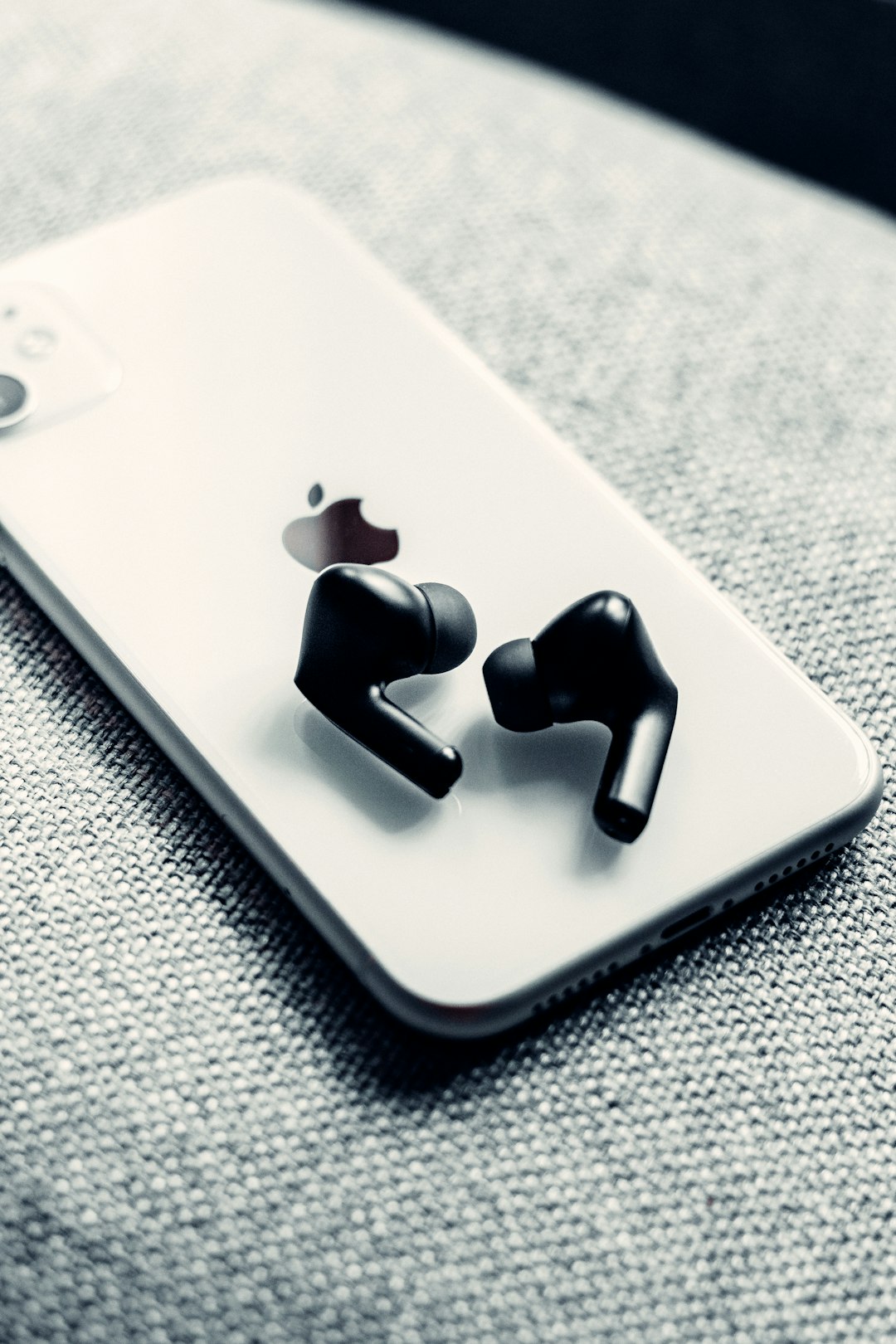
When Bone Conduction or Open-Ear Designs Make Sense
Sometimes the traditional in-ear design simply isn’t compatible with a particular ear anatomy. If every earbud you’ve tried causes discomfort or instability, open-ear and bone conduction alternatives deserve consideration.
Open-ear earbuds like those from Shokz or the newer generation of clip-style earbuds bypass the ear canal entirely. You sacrifice some isolation and bass depth, but you gain all-day wearability without any fit-related frustration. For commuters who need situational awareness or listeners with sensory sensitivities around ear occlusion, this category solves problems that no amount of tip swapping can address.
Making the Right Call for Your Ears
Finding the best wireless earbuds for small ears is genuinely achievable with the right framework. Start with compact housings, demand generous tip sizing, test thoroughly using app-based fit tools, and don’t hesitate to explore the aftermarket tip ecosystem before giving up on an otherwise excellent pair.
The audio quality you’ve been missing might not be a budget issue at all. It might simply be a fit issue that a single XS tip swap can resolve. Your ears deserve audio gear designed with their actual dimensions in mind, and the market has finally caught up enough to deliver exactly that.
📌 Related Posts
👉 Let me search for one more specific topic to ensure I’m capt