
Picture this: You’re rushing out the door for work, coffee in one hand, keys in the other, when that familiar panic hits. *Did I lock the door? Turn off the lights? Set the thermostat?* You’re already running late, but the nagging doubt forces you to double back and check everything. Sound familiar?
What if I told you those days of uncertainty could be over? Welcome to the age of smart home automation, where your house doesn’t just shelter you—it thinks ahead, anticipates your needs, and might even be smarter than you are.
What Exactly Is Smart Home Automation?
Smart home automation is like having an invisible, ultra-efficient assistant managing your entire home. It’s a network of connected devices and systems that communicate with each other to automatically control lighting, temperature, security, entertainment, and more—all based on your preferences, schedules, and real-time conditions.
Unlike basic smart devices that you control manually through apps, true automation means your home learns your patterns and takes action without you lifting a finger. Your lights dim automatically at sunset, your thermostat adjusts when you leave for work, and your security system arms itself when everyone’s asleep.
The Brain Behind the Operation: How It All Works
At the heart of every smart home is a central hub or controller—think of it as your home’s brain. This hub connects to various devices using protocols like Wi-Fi, Zigbee, Z-Wave, or Thread. The real magic happens when these devices start talking to each other and learning from your behavior.
Sensors are the nervous system of your smart home. Motion detectors, door sensors, temperature gauges, and light sensors constantly feed information to the central brain. When you walk into the kitchen at 6 AM, motion sensors detect your presence, communicate with the lighting system, and gradually brighten the lights to ease you into the day.
Machine learning algorithms analyze your patterns over time. They notice that you always lower the thermostat at 10 PM on weekdays but prefer it warmer on weekend mornings. Soon, your home starts making these adjustments automatically.
The Life-Changing Benefits You’ll Actually Notice
Energy Efficiency That Pays for Itself
Smart automation can reduce your energy bills by 10-25%. Your system learns when rooms are occupied and adjusts heating, cooling, and lighting accordingly. No more heating empty rooms or leaving lights on in spaces you’ve forgotten about.
Security That Never Sleeps
Modern smart security goes beyond basic alarms. Automated systems can detect unusual patterns—like a door opening at an odd hour—and immediately send alerts, activate cameras, or even simulate occupancy when you’re away by controlling lights and blinds.

Convenience That Feels Like Magic
Imagine arriving home to find your driveway lit, garage door open, thermostat adjusted to your preferred temperature, and your favorite playlist already streaming. Geofencing technology makes this possible by detecting when you’re approaching home.
Accessibility and Aging in Place
For elderly family members or those with mobility challenges, automation provides independence. Voice commands and automated routines can control everything from lights to door locks without requiring physical interaction with switches or handles.
The Challenges Nobody Talks About
Let’s be honest—smart home automation isn’t all smooth sailing. Privacy concerns are real when devices constantly monitor your activities. Choosing reputable brands and understanding data policies is crucial.
Initial setup complexity can be overwhelming. While technology has improved dramatically, creating truly seamless automation still requires patience and often professional installation for optimal results.
Device compatibility remains a hurdle. Not all smart devices play well together, which is why choosing products within the same ecosystem (like Apple HomeKit, Google Home, or Amazon Alexa) often yields better results.
The cost of entry can be significant, though prices continue to drop. A comprehensive smart home system might cost $2,000-$5,000, but the investment often pays off through energy savings and increased home value.
The Future Is Knocking on Your Door
We’re just scratching the surface of what’s possible. Artificial intelligence is getting scary good at predicting our needs. Future systems will anticipate when you’re getting sick based on sleep patterns and adjust air filtration accordingly, or detect water leaks before they cause damage.
Integration with electric vehicles will allow your car and home to share energy, while advanced health monitoring through ambient sensors will keep track of family wellbeing without wearable devices.
Ready to Get Started? Your Action Plan
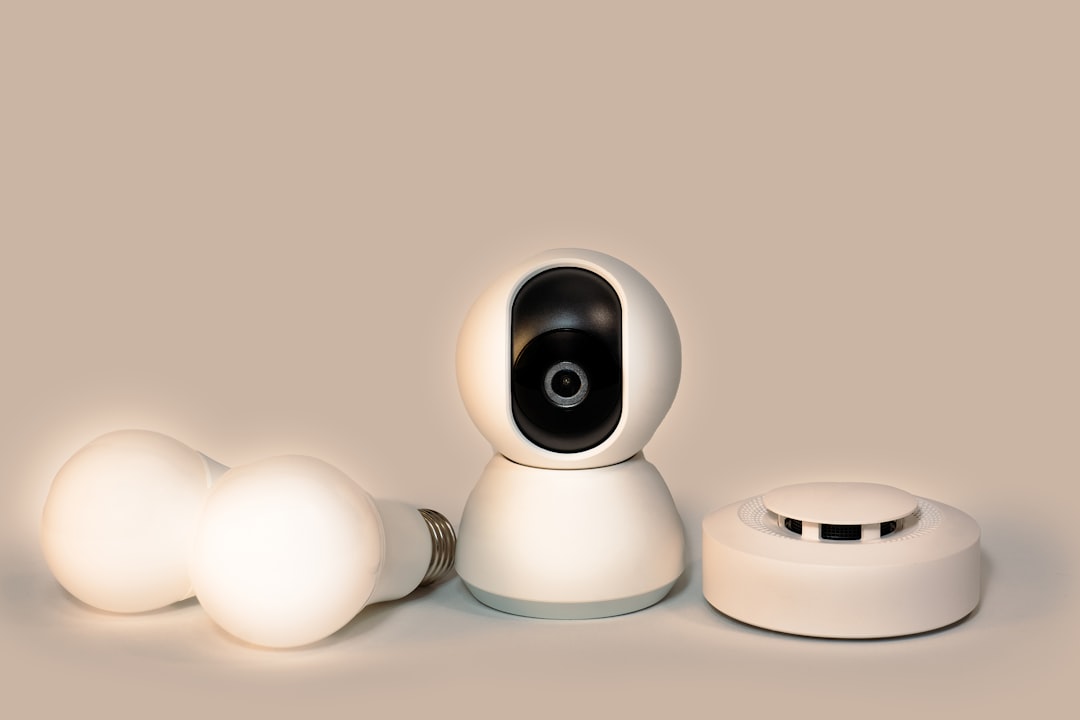
Start Small and Smart
Begin with a smart thermostat and a few smart bulbs. These provide immediate benefits and help you understand how automation works without overwhelming complexity.
Choose Your Ecosystem
Pick a primary platform—Apple HomeKit, Google Home, Samsung SmartThings, or Amazon Alexa—and stick with it for better integration.
Focus on Your Pain Points
Identify what annoys you most about home management. Always forgetting to lock doors? Start with smart locks. High energy bills? Begin with automated lighting and temperature control.
Plan for Expansion
Start with devices that can grow with your system. Ensure your initial purchases support common protocols like Matter, which promises better cross-platform compatibility.
Consider Professional Help
For anything involving electrical work or complex automation scenarios, invest in professional installation. The upfront cost often saves money and frustration later.
Smart home automation isn’t just about having cool gadgets—it’s about creating a living space that adapts to you, protects what matters most, and gives you back the mental energy you spend on mundane household management. Your future self will thank you for making the leap.
*Ready to give your home that PhD? Start with one smart device today, and prepare to be amazed at how quickly you’ll wonder how you ever lived without it.*