
Picture this: You’re rushing out the door for work when that familiar wave of panic hits. *Did I turn off the coffee maker? Lock the back door? Adjust the thermostat?* You’re already running late, but the nagging doubt forces you to double back, fumbling with keys while your phone buzzes with increasingly urgent meeting reminders.
What if I told you your house could handle all of this – and more – without you lifting a finger?
Welcome to the world of smart home automation, where your living space doesn’t just shelter you; it anticipates your needs, saves you money, and maybe even prevents you from burning down the kitchen (we’ve all been there).
What Exactly Is Smart Home Automation?
Smart home automation is like having an incredibly efficient, invisible butler who never takes a day off. It’s a network of connected devices and systems that can monitor, control, and optimize your home environment automatically based on your preferences, schedules, and even real-time conditions.
Think beyond just turning lights on and off with your phone. We’re talking about homes that learn your routines, adjust themselves for optimal comfort and efficiency, and can even predict problems before they happen. Your home becomes less of a static structure and more of a responsive, intelligent ecosystem.
The Game-Changing Benefits You Didn’t Know You Needed
Energy Savings That Actually Matter
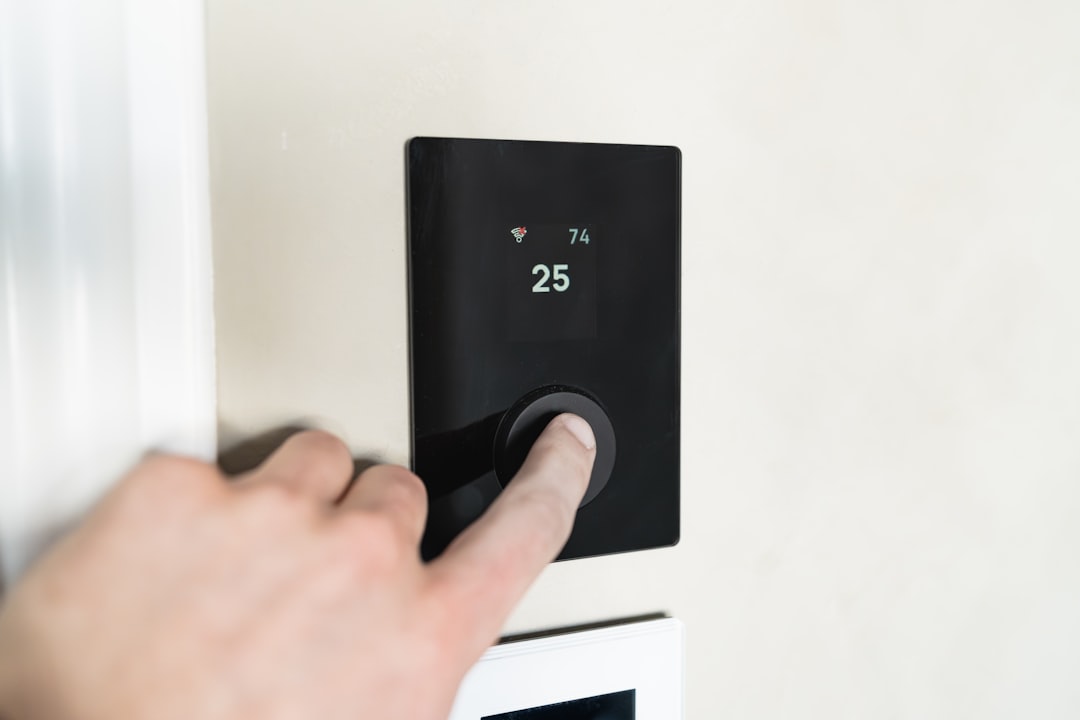
Here’s where smart homes really shine – and I’m not just talking about smart bulbs. Automated climate control can reduce your energy bills by 10-25% by learning your schedule and adjusting temperatures accordingly. Your thermostat stops heating an empty house, your lights don’t illuminate vacant rooms, and your water heater doesn’t work overtime when you’re on vacation.
One of my neighbors installed a smart irrigation system that monitors weather forecasts and soil moisture. Result? 40% reduction in water usage while maintaining a healthier lawn than ever before.
Security That Never Sleeps
Traditional security systems are reactive – they alert you after something’s already happening. Smart security is proactive and intelligent. Motion sensors can distinguish between your cat, a family member, and an actual intruder. Cameras can send you specific alerts: “Unknown person at front door” versus “Amazon delivery detected.”
The real magic happens in the integration. When you arm your security system, it can automatically lock all doors, close garage doors, turn off lights, and adjust thermostats. One action triggers a cascade of security measures.
Convenience That Feels Like Magic
Remember that morning panic scenario? Smart homes eliminate it entirely. Automated routines can handle your entire departure sequence: lock doors, turn off unnecessary devices, adjust climate settings, and even start your car warming up in the driveway.
Coming home is equally seamless. Geofencing technology can detect when you’re approaching and prepare your house for your arrival – lights on, optimal temperature set, favorite playlist ready to go.
The Technology Making It All Possible
AI and Machine Learning: Your Home’s Brain
Modern smart homes don’t just follow pre-programmed commands; they learn and adapt. Machine learning algorithms analyze your behavior patterns, energy usage, and preferences to make increasingly intelligent decisions.
Your system might notice you always dim the living room lights while watching TV after 8 PM and start doing it automatically. Or it could learn that you prefer the house slightly cooler on humid days and adjust accordingly before you even realize you’re uncomfortable.
The Internet of Things (IoT): Connected Everything
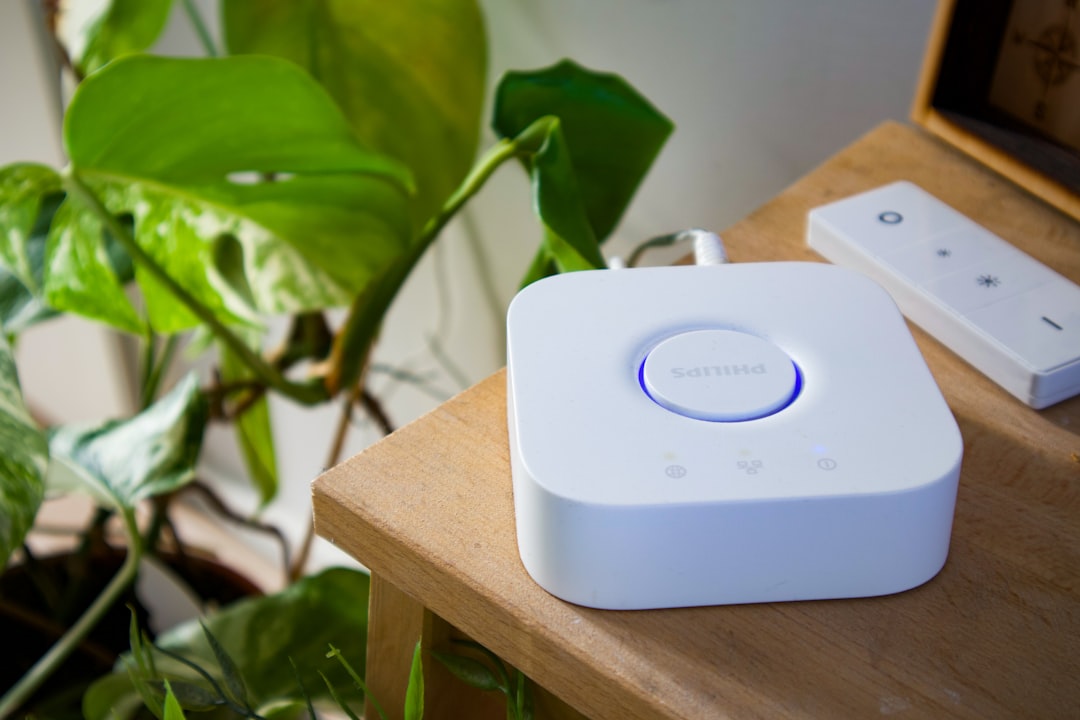
The backbone of smart home automation is IoT – everyday objects embedded with sensors and internet connectivity. Your refrigerator can track expiration dates, your washing machine can text you when loads are complete, and your smoke detector can distinguish between burnt toast and actual emergencies.
Interoperability is key here. The best smart homes use devices that can communicate with each other, creating a unified system rather than a collection of individual gadgets.
Voice Control and Natural Language Processing
Voice assistants have evolved far beyond simple commands. Natural language processing now allows for complex, conversational interactions. Instead of saying “Turn on living room lights to 50%,” you can say “Make it cozy in here,” and your system understands the context and mood you’re seeking.
Common Concerns (And Why They’re Overblown)
“It’s too complicated for me.”
Modern smart home systems are designed for simplicity. Most setup processes are guided and intuitive, and once configured, they run automatically. You’re more likely to forget you have them than struggle with complexity.
“What about privacy and security?”
Legitimate concern, but reputable manufacturers implement robust encryption and security protocols. The bigger risk might be not having smart security features that could protect your home and family.
“It’s too expensive.”
While premium systems can be costly, smart home automation is increasingly affordable. You can start small with a few key devices and expand over time. Many users see ROI within 2-3 years through energy savings alone.
Your Smart Home Action Plan
Ready to join the future? Here’s how to get started:
Start Small and Strategic: Begin with 2-3 high-impact devices like a smart thermostat, security camera, or smart locks. These provide immediate value and help you understand how automation works.
Choose Your Ecosystem: Decide between major platforms (Google Home, Amazon Alexa, Apple HomeKit) early. Consistency makes integration smoother and more powerful.
Focus on Problems First: Identify your biggest home-related frustrations. Forgetting to lock doors? High energy bills? Package theft? Let these pain points guide your initial purchases.
Plan for Expansion: Even if you start simple, choose devices that can integrate with broader systems later. Future-proofing saves money and headaches.
Set Realistic Expectations: Smart home automation is incredibly powerful, but it’s not magic. Give yourself time to learn and adjust settings for optimal performance.
Your house is ready for its IQ upgrade – the question is, are you ready to never worry about that coffee maker again?